
what does “Listen to your body” actually mean?
“Listen to your body.”
It sounds simple enough. It’s the kind of advice many of us have heard countless times, especially when we’re dealing with pain, illness, stress, or exhaustion.
But what does it actually mean?
when I thought creativity had left me
There are some things that many of us have always been searching for: truth, clarity, that ever-fleeting creative spark. Yet more often than not, those things have been right there in front of us the entire time.

What chanting gives me when pain takes over
As some of you may already know, I had been practicing various forms of mindfulness and meditation for over thirty years by the time chronic pain came into my life. I had learned different ways of working with my attention, my breath, and the constant activity of my own mind.
But pain changed the equation. Many of the things I knew how to do suddenly felt much harder to access when my body and brain were overwhelmed by pain that was both acute and relentless. This was also a time when the anchors of my daily life were slipping away, and the identity I’d built seemed to disappear.

Whose voice are you listening to?
I write a lot about self-compassion, in part because it may sound simple enough in theory but can be hard to put into practice.
We sometimes hear someone say, “Talk to yourself the way you'd talk to someone you care about.” It's good advice. But what happens when we've spent decades doing something different?

The Illusion of falling behind
The strange thing about finally starting to feel a little better is that your to-do list perks up, too.
Mine certainly has.
As fate would have it, I live with an autoimmune condition as well as chronic pain. After spending the last couple of weeks feeling especially run-down from a massive flare (thanks, Canadian wildfire smoke!), I've been looking around my house and seeing everything that hasn’t been done.

mindful, compassionate, and occasionally fed up
I spend a lot of time writing about mindfulness, compassion, reflection, and self-awareness.
And I mean every word.
But every now and then, I also want to roll my eyes at something.
I find it comforting to know that some of the kindest, most emotionally intelligent people out there also have another voice within them, the one that occasionally says,
"Oh, come ON."
the two words I didn’t fix in my book
I’m currently in the process of formatting my book. After two and a half years of writing, it’s undergone no fewer than eight revisions, with a few later tweaks here and there.
The subject matter is personal, based on some hard-won lived experience. What started out as therapeutic venting has been channeled into

5 beliefs i had to unlearn while living with chronic pain
Living with chronic pain has changed many things in my life.
What surprised me most wasn't what I learned along the way. It was the many beliefs I had to unlearn.

7 things i started doing between doctor visits to take my power back
Some of the hardest words I heard in the doctor's office weren't "We don't know what's wrong," or even "There's nothing more we can do."
They were: "We'll see you again in three to six months."
And like so many others living with chronic illness or pain, I found myself wondering:
"Okay...but what am I supposed to do until then?"

The uniquely perfect space of “almost okay with it”
Recently, I heard someone in a painful situation describe herself as being "almost okay with it."
The phrase stayed with me.
She wasn't talking about something small. She was speaking about a loss so profound that I can barely allow myself to imagine it. Yet what lingered in the air wasn't the story itself. It was those few simple words:
"I'm almost okay with it."
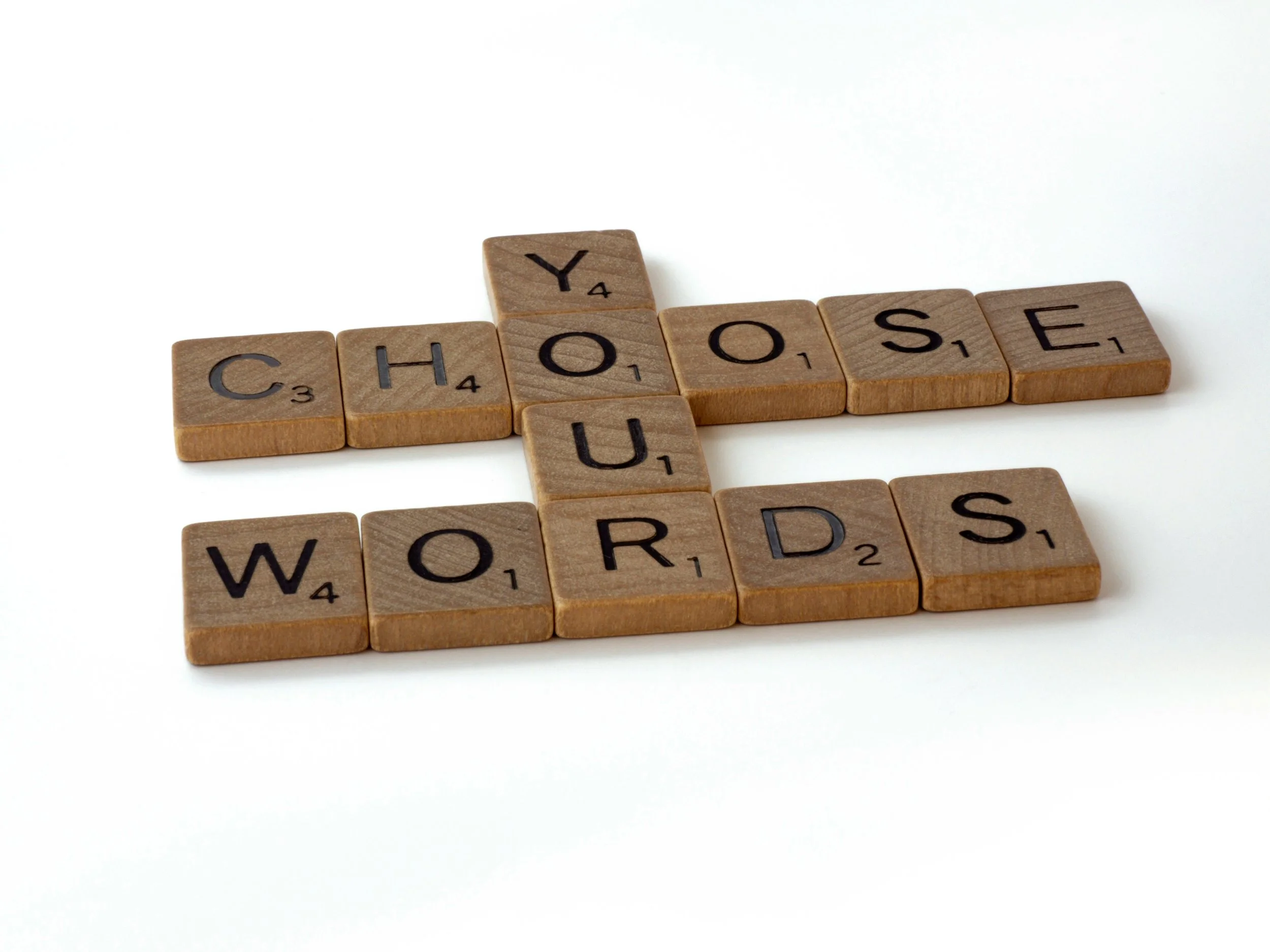
why I don’t use the word “acceptance”
There’s a word that rarely appears in my work.
Not because I don’t understand its meaning.
And not because I think there’s anything inherently wrong with it.
But because, for me, it has always felt a little… unsettled.
The word is acceptance.
I call it… the “A” word.

When “Just” Isn’t simple
Few words sting quite like just when you’re living with chronic pain. It might sound harmless enough on the surface, yet it carries an assumption that effort, access, and capacity are universal. In this context, it can feel like a four-letter word that cuts to the bone.